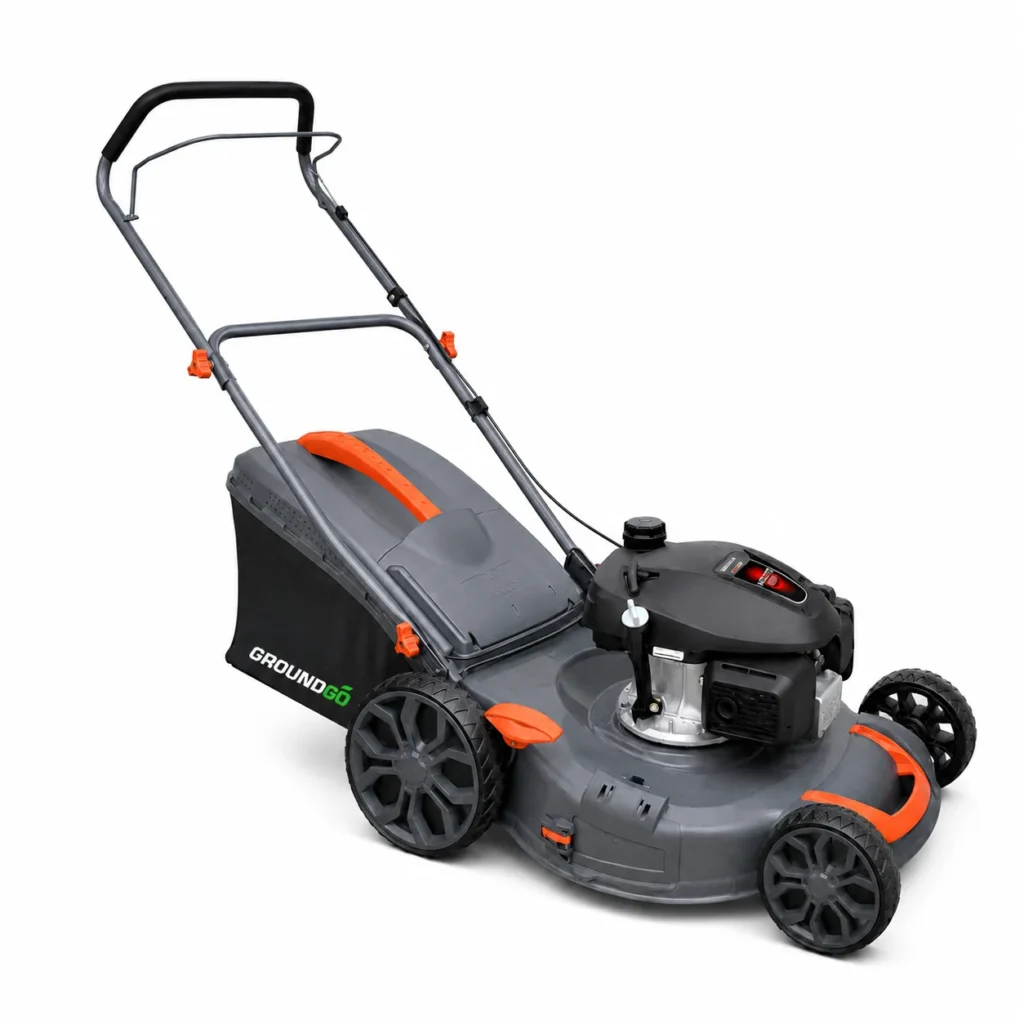
MOW. TIDY. CLEAR.
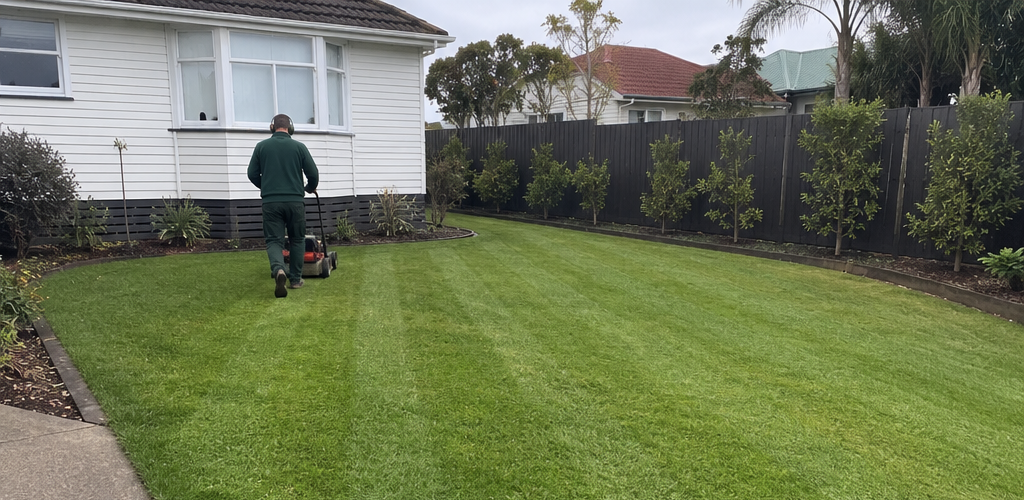
A practical month-by-month rhythm for mowing, feeding, repairing and protecting a home lawn in New Zealand. Use this guide as a practical starting point, then adjust for your region, property and the current condition of the site.
Use growth and soil conditions—not the date alone
New Zealand does not have one lawn calendar. Northland may still be growing while an inland South Island lawn is slowed by frost. Auckland can move from saturated soil to a dry spell within the same season. Treat the calendar as a checklist, then look at the grass, soil moisture and forecast before acting.
The most useful habit is regular observation. Check whether grass is actively producing new leaves, whether the soil carries foot traffic without smearing, and whether weeds or bare areas are increasing. This prevents unnecessary mowing in a dry summer or damaging traffic on wet winter ground.
Autumn: repair while soil is warm
Early to mid-autumn is often a useful repair window because many cool-season grasses can establish while soil still holds warmth and rainfall becomes more reliable. Rake out loose debris, relieve obvious compaction, add seed suited to the site and keep the surface consistently damp during germination.
Reduce mowing frequency as growth slows, but do not let leaves form a wet mat. A light tidy of edges and garden beds now also reduces the size of the winter clean-up.
- Repair thin areas before cold soil slows establishment
- Remove leaves without scalping soft turf
- Address drainage symptoms rather than covering them with more seed
Winter: protect the surface
Winter lawn care is mostly about avoiding damage. Mow only when the grass needs it and the ground is firm enough. Sharp turns, repeated wheel tracks and foot traffic can compact saturated soil and leave ruts that remain visible in spring.
Moss is a clue, not just a cosmetic problem. Shade, poor drainage, low fertility, acidic soil or compacted ground may be contributing. Correcting the site is more durable than repeatedly removing the moss alone.
Spring: rebuild density before weeds occupy gaps
As growth resumes, gradually return to regular mowing and remove no more than roughly one-third of the leaf in a single cut. Repair bare areas, check irrigation, sharpen mower blades and use fertiliser only when the lawn is actively growing and the product suits the turf and soil.
A dense lawn is one of the best forms of weed prevention. It shades the soil surface and leaves fewer gaps for weed seedlings. Severe low mowing usually works against that goal.
Summer: keep enough leaf to shade the soil
During hot or dry periods, raise the cutting height, mow less often and avoid removing green leaf simply to match a fixed schedule. Deep, less frequent watering is generally more useful than a brief daily splash, subject to local water restrictions and the needs of newly established seed.
If a non-irrigated lawn goes dormant and browns, do not force growth with repeated watering or heavy fertiliser unless you intend to maintain that input. Focus on keeping weeds from seeding and avoiding wear on brittle turf.
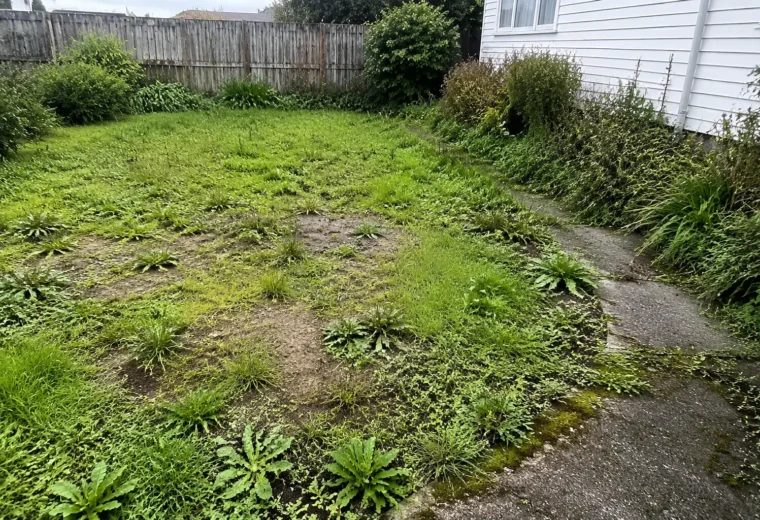 8 min read
 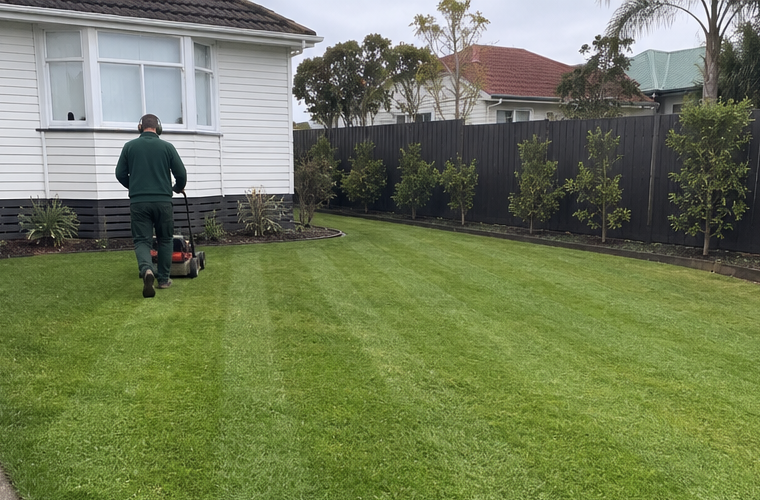 9 min read