Skip to content
CALL 0800 422 044
GROUNDGO OUTDOOR SERVICES · ACROSS NEW ZEALAND
Home / Guides / Outdoor Clean-Up
OUTDOOR CLEAN-UP GUIDE

How to Plan a Property Clean-Up Without Becoming Overwhelmed

Turn an overgrown or cluttered outdoor area into a safe sequence of decisions, zones and removal loads.

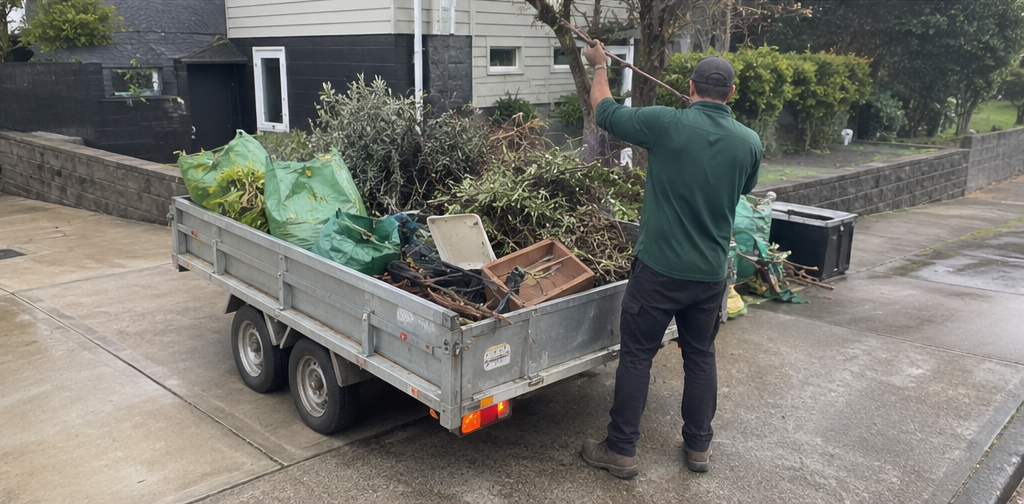
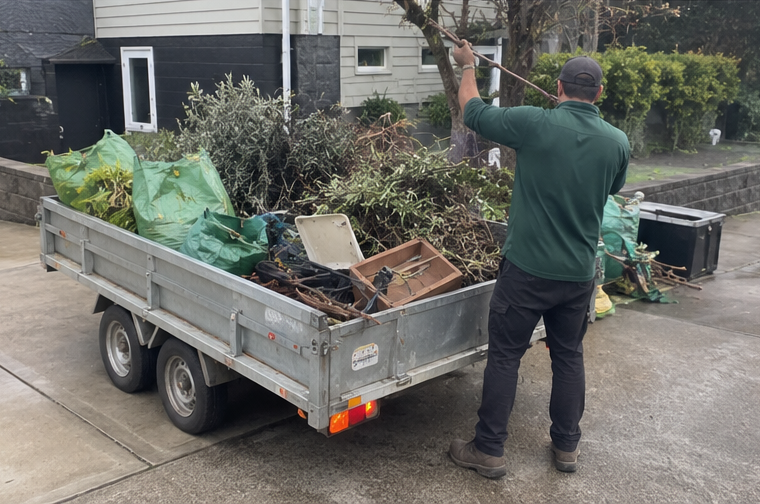
Organised outdoor property clean-up in progress

Turn an overgrown or cluttered outdoor area into a safe sequence of decisions, zones and removal loads. Use this guide as a practical starting point, then adjust for your region, property and the current condition of the site.

01

Define the finished condition

A clean-up for a rental inspection is different from preparing a garden for replanting. Write down the non-negotiable result: paths clear, lawn accessible, rubbish removed, hedges off the building, or outdoor area ready for sale photos.

Take wide photos before starting. They help measure progress and show a contractor the total scope, including items hidden by growth.

02

Work in the right order

Start with hazards and access, then remove rubbish, cut back agreed vegetation, mow or trim grass, weed visible beds and complete the fine finish. Mowing first can hide debris, damage equipment and create more sorting work.

Create a staging area that does not block the driveway or damage the lawn. Keep reusable items covered and clearly separated from disposal material.

03

Break the property into zones

Use front presentation, side access, back lawn, garden beds and storage area as separate zones. Complete one visible zone or one waste type at a time. This makes the result measurable and allows staged quotations where the whole project is too large for one visit.

04

Confirm what the service does not take

Identify concrete, soil, tyres, liquids, gas bottles, chemicals, electronics, sharp items and suspected hazardous materials in advance. Photograph unusual items and ask for an explicit acceptance decision before booking.
QUICK ANSWERS

Questions About This Guide

Should I bag everything before getting a quote?

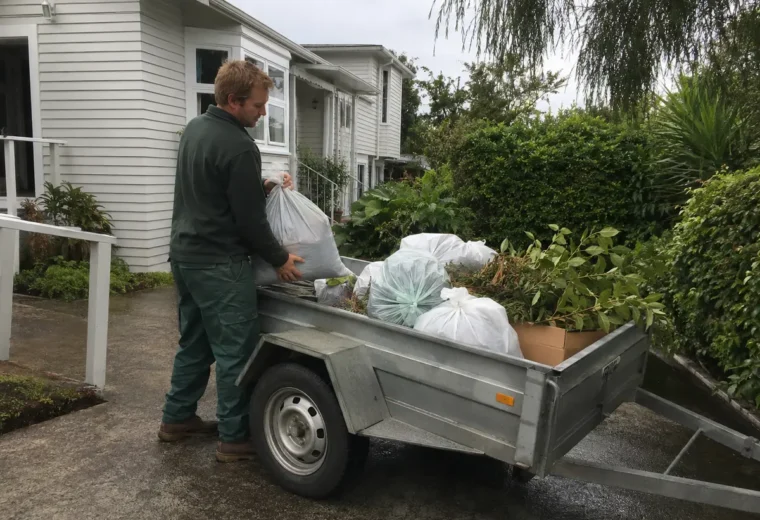
Not necessarily. Photos of visible sorted piles are often more useful. Bagging wet green waste can make it heavy and conceal contamination.

Can lawn mowing and rubbish removal happen together?

They can be scoped together where locally available, but debris and hazards should be removed before mowing.

MOW. TIDY. CLEAR.

Ready for a Better-Looking Property?

Tell us what needs attention and receive a free, no-obligation quote for available outdoor care, or for landscaping within Auckland.

GET MY FREE QUOTE → CALL 0800 422 044
GroundGO M1 with Genuine Honda GCV145 · hand push
GENUINE HONDA FOUR-STROKE POWER

Meet the GroundGO M1

A lighter 18-inch hand-push mower combining a genuine Honda GCV145 air-cooled four-stroke OHV engine, Auto Choke and three-in-one collection, mulching and side-discharge capability.

GCV145 engine highlights

Efficient OHV power Honda OHV design supports efficient combustion and dependable power transfer.
Easy starting Honda Auto Choke makes routine residential starts simple and reliable.
No petrol-and-oil premix The four-stroke engine keeps fuel and engine oil in separate systems.
Light hand-push format Hand push; no drive gears for the lawns this model is designed to handle.
VIEW OFFICIAL HONDA GCV145 INFORMATION ↗
VIEW GROUNDGO M1
GroundGO M1 Pro with Genuine Honda GCVx200 engine
GENUINE HONDA FOUR-STROKE POWER

Meet the GroundGO M1 Pro

A 21-inch self-propelled residential mower combining a genuine Honda GCVx200 four-stroke engine, three forward speeds, three-in-one clipping management and a 70-litre catcher.

GCVx200 engine highlights

Efficient OHV power Honda OHV design supports efficient combustion and dependable power transfer.
Easy starting Honda Auto Choke makes routine residential starts simple and reliable.
No petrol-and-oil premix The four-stroke engine keeps fuel and engine oil in separate systems.
Self-propelled drive Self-propelled, three forward speeds for the lawns this model is designed to handle.
VIEW OFFICIAL HONDA GCVX200 INFORMATION ↗